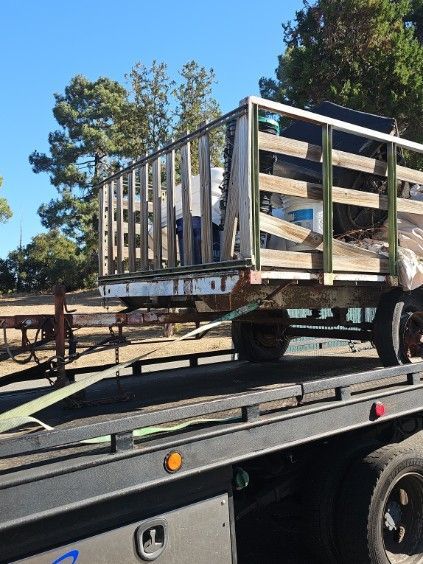
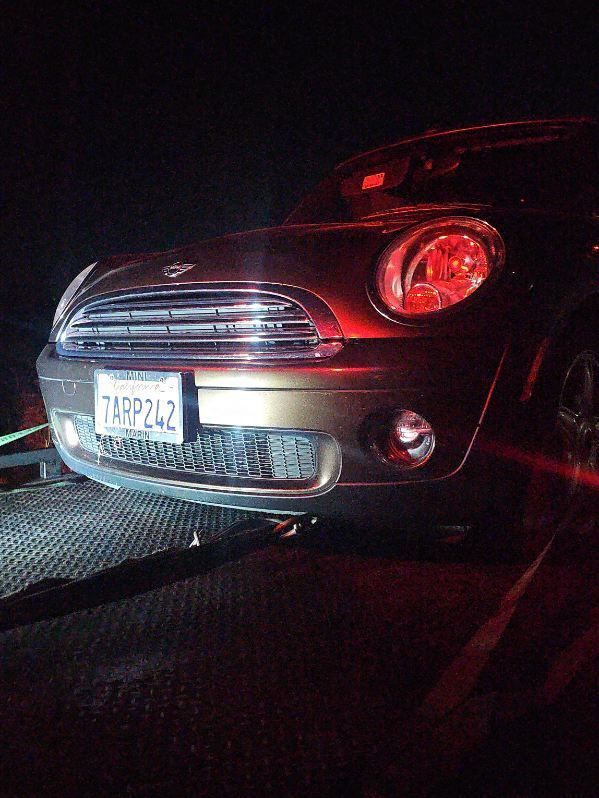
Vehicle Recovery in Novato, CA
Vehicle recovery is the step that comes before a tow, when a car or truck isn't somewhere it can simply be hooked up and hauled away. D&J Towing handles vehicle recovery in Novato for cars that have slid off the road, sunk into soft ground, or landed in a spot they can't drive out of.
What Counts as a Recovery
A recovery call starts with a vehicle that is off the road or stuck in place. That might mean a car in a roadside ditch after sliding on a wet curve, or a truck sunk to its axles in mud at a job site. It can be a sedan that rolled off the edge of a driveway, a vehicle partway down an embankment, or one that ended up on its side after a collision. Soft shoulders, sand, and gravel catch drivers off guard when they pull over to deal with something else.
What these situations share is that the vehicle has to be brought back to firm, level ground before anything else can happen.
Recovery Versus Towing
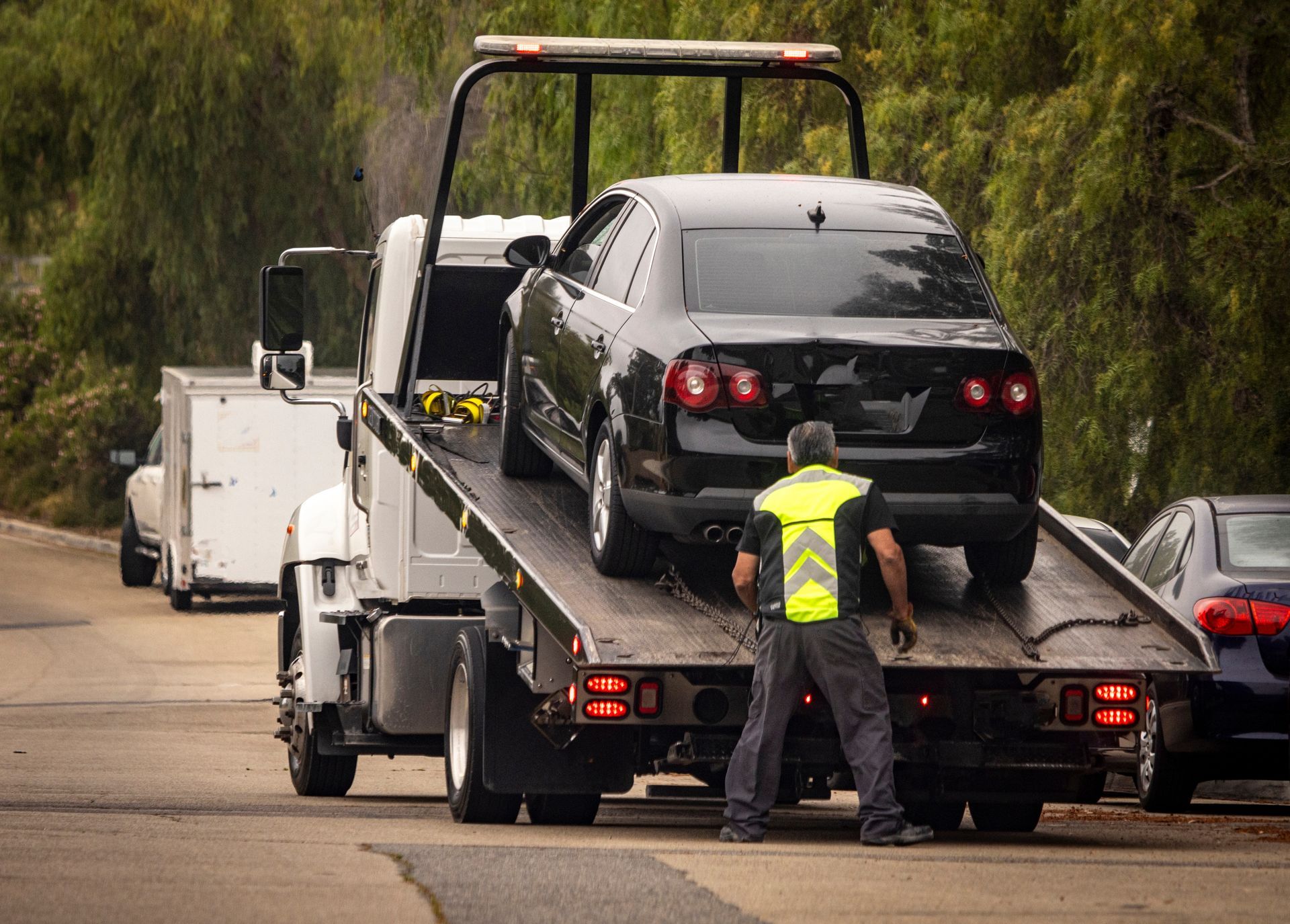
A tow moves a vehicle that is already accessible, sitting on a street, in a lot, or on a shoulder. A recovery gets the vehicle to that point first. Many calls involve both: the recovery brings the car back to the pavement, and then a tow takes it to a shop if it can't be driven. Others end with the recovery, when the vehicle was only stuck and drives away under its own power.
How a Recovery Is Handled
Every recovery begins with a look at the scene. How the vehicle is sitting, how firm the ground is beneath it, the angle back to the road, and what's nearby all shape the plan. A car tilted in a ditch is pulled differently than one sitting level in mud.
The vehicle is connected at a solid point, such as a tow hook or a frame recovery point, never a bumper cover or a suspension part. It is then pulled steadily along a line that keeps it from tipping or sliding sideways. Once it's back on firm ground, the vehicle gets a check for leaking fluids, bent wheels, and damaged tires.
If it can't be driven safely from there, our
towing service in Novato takes it to the shop you choose. If the only casualty was a tire, a
roadside tire change may be all it needs.
Before Help Arrives
If anyone is hurt, or there has been a collision, call 911 first. Otherwise, turn on your hazard lights and, if it's safe to do so, get out of the vehicle and move away from the road. Avoid trying to pull the car out with another vehicle and a rope or strap. Improvised pulls can snap a line, damage both vehicles, or roll the stuck one.
Recovery Around Novato
Marin's hillside roads, narrow shoulders, and wet winter months all leave vehicles in places they shouldn't be. D&J Towing takes recovery calls across Novato and in nearby towns like San Anselmo, Ross, and Fairfax. You can find our other roadside and towing services on the
D&J Towing home page.
Frequently Asked Questions
Should I try to drive out on my own?
One gentle attempt is reasonable. If the wheels spin without the car moving, stop. Continued spinning digs the tires deeper into mud or sand, and it can overheat the transmission. A vehicle sunk to the axles will not drive out.
Can a stuck vehicle be pulled out without damaging it?
That depends largely on where it's attached. Tow hooks and frame recovery points are built to take the load, and most owner's manuals show where they are. Pulling from a plastic bumper cover or a suspension arm is what tends to cause damage.
Will my vehicle need a tow after it's recovered?
Not always. A car that was simply stuck in mud or on a soft shoulder is often drivable once it's back on pavement. After a slide into a ditch or down a slope, look for fluid under the vehicle, a wheel that sits at an odd angle, or steering that pulls. Any of those mean a tow.
What information should I give when I call?
Your location, with nearby landmarks or a cross street. Describe how the vehicle is sitting: upright or on its side, and roughly how far it is below or away from the road. Mention the type of vehicle and whether anyone is still inside.
What should I do if my vehicle has rolled over?
Get everyone clear and call 911 if anyone is injured. Don't try to push or rock it upright yourself. Righting a vehicle takes a controlled, steady pull, and fuel or other fluids may leak while it's on its side.